If you ask any South Indian food enthusiast about the defining aroma of a traditional home, they will tell you it is the scent of a fresh pot of sambar simmering on the stove. Sambar is the soulful centerpiece of South Indian cuisine, yet its flavor changes dramatically as you cross state borders and region lines.
Among all regional variations, Palakkad Iyer Sambar holds a legendary status. Originating from the historic agraharams (traditional Brahmin settlements) of Palakkad, Kerala, this distinct style of sambar offers an unmistakable depth of flavor that sets it apart from Tamil Nadu, Karnataka, and standard Kerala sambars.
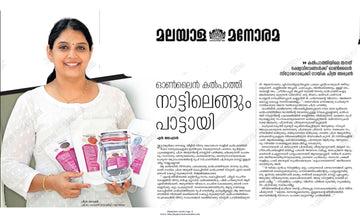
If you have ever wondered why sambar made with authentic Kalpathy Store Palakkad Iyer Sambar Powder tastes so vastly different from store-bought commercial brands, the secret lies in geography, traditional roasting methods, and a strict adherence to heritage recipes.
Palakkad Sambar vs. Other Regional Sambars: The Key Differences
Palakkad sits in the Palakkad Gap — a natural mountain pass connecting Kerala and Tamil Nadu. This geographic bridge created a unique fusion of culinary traditions. The Palakkad Iyer community blended the rich spice-roasting techniques of Tamil Nadu with the pure coconut oil traditions of Kerala, creating a distinct style all its own.
1. Traditional Satvik Foundation (No Onion, No Garlic)
Standard Kerala Nadan Sambar and Tamil Nadu Tiffin Sambar frequently feature small onions (shallots/shallot paste) or garlic for kick. Traditional Palakkad Iyer Sambar is purely Satvik — prepared without onion or garlic. Instead, it relies on high-grade asafoetida (hing), slow-roasted fenugreek (methi), and curry leaves to build an intoxicating, earthy aroma that never overpowers the vegetables.
2. Slow-Roasted Dal and Spice Proportions
In basic Tamil Nadu sambar powders, coriander seeds and red chillies dominate the blend, often resulting in a thinner broth unless thickened separately. In contrast, Palakkad Iyer Sambar Masala incorporates carefully measured quantities of slow-roasted chana dal, tuvar dal, and urad dal directly into the spice blend. When cooked, these ground lentils naturally thicken the sambar, imparting a velvety, rich body without requiring added flour or starches.
3. Pure Coconut Oil Tempering vs. Gingelly Oil
In Tamil Nadu, spices and temperings are traditionally bloomed in sesame (til/gingelly) oil. In Palakkad agraharams, tempering (thalippu) is strictly done using pure cold-pressed coconut oil or deshi ghee. The coconut oil interacts with the roasted coriander, cumin, and black pepper, creating a soothing fragrance unique to Kerala-border cooking.
4. No Sweetness, Balanced Tanginess
Unlike Karnataka's Mysore Sambar or Udupi Sambar — which prominently feature jaggery, cinnamon, or dry coconut — Palakkad Iyer Sambar contains zero added sugar or sweet spices. It maintains a clean, savory profile where the natural sourness of ripe tamarind harmonizes with warm, roasted spices.
Regional Sambar Comparison at a Glance
|
Feature |
Palakkad Iyer Sambar |
Tamil Nadu Sambar |
Kerala Nadan Sambar |
Karnataka (Udupi) Sambar |
|
Spice Base |
Roasted coriander, chillies, peppercorn, methi & lentils |
Coriander, red chilli, Bengal gram |
Fresh/roasted coconut, coriander, chillies |
Dry coconut, cinnamon, coriander, chillies |
|
Thickening Method |
Ground roasted lentils in the powder |
Cooked toor dal & tamarind base |
Roasted coconut paste (varutharacha) |
Coconut paste & dal blend |
|
Onion / Garlic |
Traditionally none (Satvik) |
Optional (common in tiffin sambar) |
Generous shallots (chinna vengayam) |
Shallots or single veggie |
|
Flavor Profile |
Warm, aromatic, earthy, savory |
Tangy, sharp, spicy |
Rich, creamy, coconut-forward |
Slightly sweet, spicy, aromatic |
|
Key Tempering Oil |
Coconut oil or pure ghee |
Gingelly (sesame) oil |
Coconut oil |
Coconut oil or ghee |
Why Choose Kalpathy Store Palakkad Iyer Sambar Powder (300g PET Bottle)?
Reproducing the authentic flavor of traditional agraharam sambar at home requires tedious dry-roasting of individual whole spices at precise temperatures. One burnt fenugreek seed can ruin the entire batch!
Kalpathy Store takes the hassle out of your kitchen by delivering authentic, heritage-grade sambar podi directly to your doorstep.
Key Product Highlights:
• Authentic Heritage Formula — made using traditional recipes handed down through generations of Palakkad Brahmin kitchens
• Slow-Roasted Whole Spices — premium coriander seeds, select sun-dried red chillies, black peppercorns, cumin, fenugreek, and roasted dals, batch-roasted to release essential oils before grinding
• 100% Pure & Clean-Label — free from synthetic food colors, artificial flavors, preservatives, or added anti-caking agents
• Durable 300g PET Bottle Packaging — packed in a sturdy, food-grade bottle with an airtight seal to lock in volatile aromas, prevent moisture exposure, and ensure long shelf life on your pantry shelf
Quick 15-Minute Recipe: Authentic Palakkad Iyer Sambar
Bring the true taste of heritage cooking to your dining table with this quick, classic recipe.
Ingredients:
• Toor Dal (Split Pigeon Peas): ½ cup, cooked and mashed with ¼ tsp turmeric
• Kalpathy Store Palakkad Iyer Sambar Powder: 2 tbsp
• Tamarind Extract: 1 small lemon-sized ball soaked in 1 cup warm water
• Vegetables: 1 cup chopped (drumstick, ash gourd, or yellow pumpkin)
• Salt: To taste
• Tempering: 1 tbsp coconut oil, 1 tsp mustard seeds, ¼ tsp fenugreek seeds, 2 dry red chillies, a pinch of asafoetida, fresh curry leaves
Step-by-Step Method:
1. Boil Vegetables — in a pot, cook your sliced vegetables in the extracted tamarind water with salt and turmeric until tender.
2. Add Spice Powder — slurry 2 tbsp of Kalpathy Store Palakkad Iyer Sambar Powder in ¼ cup water (to prevent clumping) and stir it into the boiling tamarind-vegetable broth. Let it simmer on medium heat for 3–4 minutes until raw aromas subside.
3. Combine Dal — add the cooked, mashed toor dal and stir well. Adjust consistency with warm water if needed. Bring to a gentle boil, then turn off the flame.
4. Temper & Serve — heat coconut oil in a small pan. Splutter mustard seeds, add fenugreek, red chillies, asafoetida, and curry leaves. Pour this crackling mixture immediately over the hot sambar and cover with a lid for 2 minutes to trap the aroma. Serve hot with steamed rice, idlis, or crisp dosas!
Frequently Asked Questions
Is Palakkad Iyer Sambar Powder the same as regular sambar powder?
No. Unlike most commercial blends, it's a Satvik (no onion, no garlic) mix with roasted lentils built in for natural thickening, and it's traditionally paired with coconut oil tempering rather than sesame oil.
Is this sambar powder suitable for a Satvik or Jain-friendly diet?
Yes — the traditional Palakkad Iyer recipe contains no onion or garlic, making it suitable for Satvik cooking. (Please check the ingredient label for any Jain-specific restrictions like root vegetables used in the final dish.)
How long does Kalpathy Store Sambar Powder stay fresh?
Stored in its airtight 300g PET bottle in a cool, dry place, it retains peak aroma and flavor for several months. Always reseal tightly after use.
Can I use this powder for dishes other than sambar?
Yes — many customers use it in vegetable kootu, masiyal, or as a seasoning boost for stews that call for a warm, roasted South Indian spice profile.
Order Your Jar of Authentic Heritage Spices Today!
Elevate your daily cooking with unmatched traditional flavor. Whether you are craving classic agraharam-style meals or looking to buy authentic South Indian sambar powder online, Kalpathy Store Palakkad Iyer Sambar Powder (300g PET Bottle) brings rich, comforting taste straight to your kitchen.